The Hidden Cost of Under-Insulated Manufactured Homes in Rural Navajo County
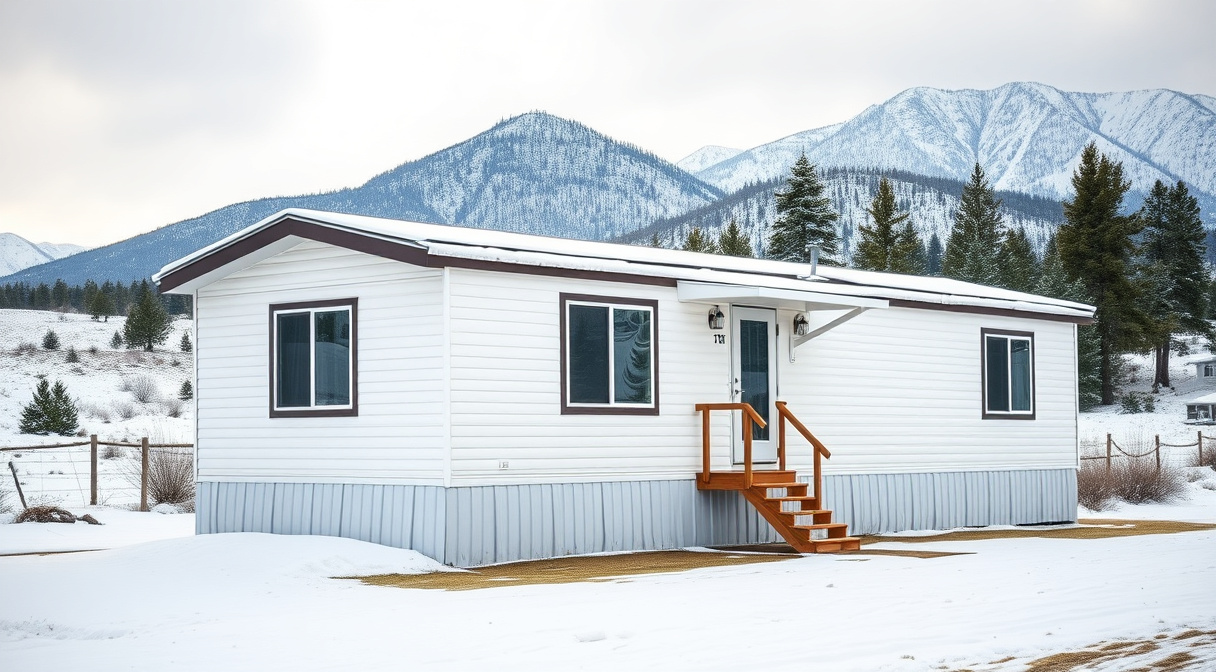
Manufactured and mobile homes make up a significant share of housing across rural Navajo County, including in and around Snowflake and Taylor — and their construction creates a specific set of cold-weather vulnerabilities that a typical site-built home doesn't share. At roughly 5,600 feet of elevation, with January lows regularly in the high 20s and real snow accumulation through the winter, an under-insulated manufactured home doesn't just run cold — it can rack up hidden costs that go well beyond a higher propane bill.
Why manufactured homes lose more heat, specifically
Manufactured homes are built with a raised floor system over an open or lightly enclosed underbelly, rather than sitting on a full conditioned or insulated basement or slab like most site-built homes. That underfloor cavity — along with the skirting around the home's perimeter — is exposed to wind, cold air, and, in a lot of older installations, minimal or degraded insulation. Add wind-driven infiltration through aging seams and skirting gaps, and a manufactured home can lose heat through the floor and perimeter at a rate a comparable site-built home simply doesn't experience.
Belly-wrap and underfloor insulation
The "belly" is the fabric or board material stretched beneath the home's floor joists to hold insulation in place and protect it from the elements. Over time, belly-wrap can sag, tear, or come loose — from age, rodent activity, or simple wear — letting insulation fall away or get wet, which destroys its effectiveness. When the belly fails, the floor above it loses its thermal protection directly, which is why cold floors are one of the most common complaints in older manufactured homes in this area.
Skirting: more than a cosmetic finish
Skirting around the base of a manufactured home does double duty — it protects the underbelly and plumbing from the elements and, when properly sealed and vented, helps moderate the temperature of the crawlspace-like area underneath the home. Gaps, damage, or missing skirting sections let cold wind blow directly under the floor system all winter, undermining any insulation that's still intact above it.
The costs that don't show up on a heating bill
A higher propane or electric heat-pump bill is the most visible cost of an under-insulated manufactured home, but it's often not the most expensive one.
- Frozen and burst pipes: exposed or poorly insulated plumbing in the underbelly is at direct risk during a hard freeze, and a burst pipe repair plus water damage can cost far more than the insulation upgrade that would have prevented it.
- Elevated heating bills all winter: a leaky, under-insulated floor and skirting system forces a propane furnace or heat pump to run longer and harder just to hold a comfortable indoor temperature.
- Cold floors and uneven comfort: rooms near the perimeter or over uninsulated sections of floor often stay noticeably colder than the rest of the home, no matter how the thermostat is set.
- Accelerated wear on the belly and skirting: once moisture or pests get into a damaged underfloor system, the problem tends to compound over subsequent winters rather than staying static.
- Reduced home value and marketability: a manufactured home with a known cold-floor or frozen-pipe history is a harder sell than one with documented underfloor insulation and skirting in good condition.
What a proper fix looks like
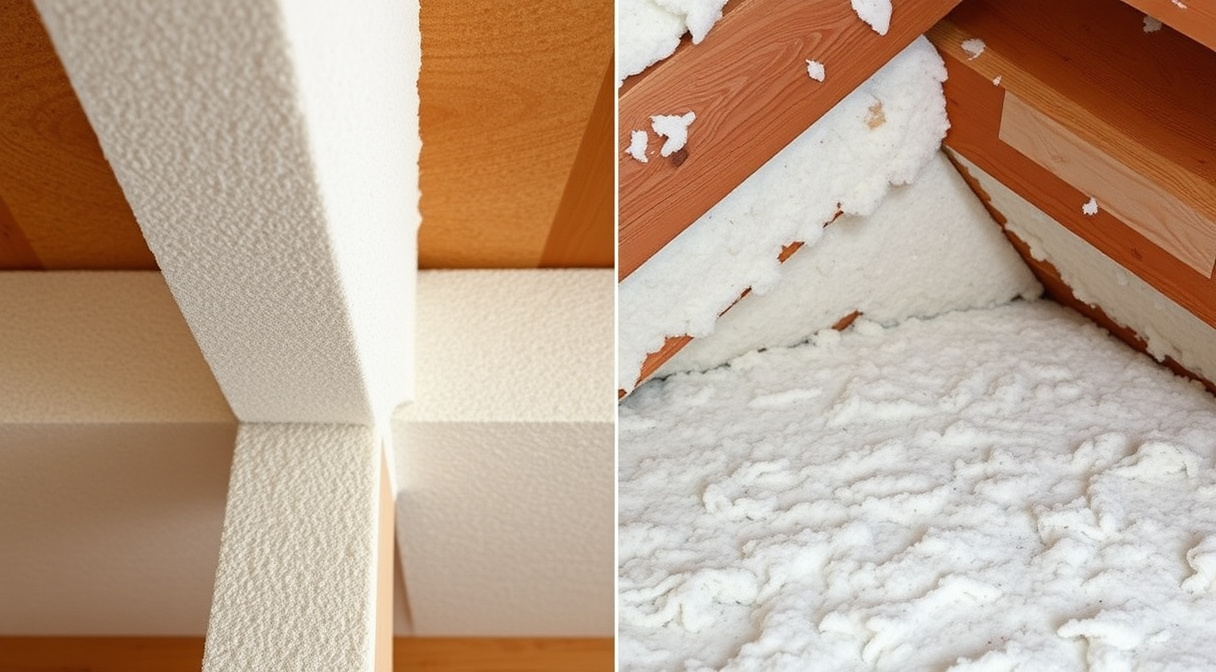
Addressing an under-insulated manufactured home usually starts with an inspection of the underbelly, skirting, and any exposed plumbing runs, since the right fix depends on what's actually failing — sagging belly-wrap, missing insulation, damaged skirting, or some combination. From there, the work typically involves repairing or replacing damaged belly-wrap, adding or upgrading underfloor insulation, sealing and repairing skirting, and making sure any exposed pipes in the underbelly are protected against a hard freeze. Because manufactured-home underfloor systems are tighter and harder to access than a typical crawlspace, this is usually a job for insulation methods — including spray foam in specific trouble spots — that can seal gaps and insulate in one step rather than requiring a full teardown.
Thinking about ROI
The return on underfloor and skirting insulation work isn't just about a lower monthly bill, though that's real. It's also about avoiding the much larger, unplanned cost of a burst pipe in the middle of a January cold snap, and about keeping a home comfortable and marketable for years rather than watching a known cold-floor problem get worse every winter. For a lot of manufactured homes in rural Navajo County, the underfloor and skirting system is the single highest-leverage place to spend an insulation budget — because it's usually the most under-addressed part of the house.
If you own or manage a manufactured or mobile home in Snowflake, Taylor, or elsewhere in rural Navajo County and want a real look at your underbelly, skirting, and pipe protection before winter, call 844-967-5247 or email josh@contractorschoiceagency.com. We'll tell you exactly what's failing down there and what it takes to fix it.
Frequently asked questions
Manufactured homes sit on a raised floor system with an open or lightly enclosed underbelly instead of a conditioned basement or slab, so the floor, skirting, and belly-wrap are directly exposed to wind and cold. When that system is under-insulated or damaged, heat loss and cold floors follow.
Yes. Plumbing that runs through an under-insulated or poorly sealed underbelly is directly exposed to winter cold, and a hard freeze can burst exposed pipes. Proper underfloor insulation and skirting repair reduce that risk significantly.
Ready for a free quote?
Tell us about your home and we'll build a clear quote — rebates included.